paultravisphillips.com
home
contact
instagram
[updates]
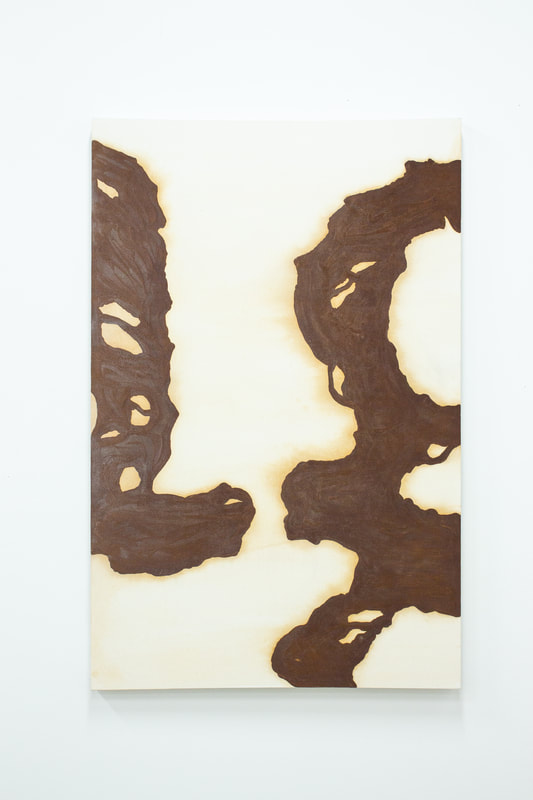
/səCH/ ən /səCH/ ən /səCH/
emp·ty ˈem(p)tē/
SubverbalCollective Interview
in_ar_tic_u_late
cv/statement
pages
ˈpräˌses(iNG) ˈprōˌses
temporary thoughts/studio wall
in·ar·tic·u·lateˌ(inärˈtikyələt)/ knowl·edge
rəst/(ed) /bo͝ok/(s)
/əbˈjekt(s)/
/dəst/ (ə)n /rəst/
/ˈhīˌlīdər/
/ɡrāp/(s) /əv/ /raTH/
/SHēt/s
/rəˈdakt/(ēd) /pāj/(s)
wərd/(z)
par·a·graph(s) & mar·gin(s)
/tāp/(əd)
/tāp/ǝ
/ˈskribəl/
video
home
contact
instagram
[updates]
/səCH/ ən /səCH/ ən /səCH/
emp·ty ˈem(p)tē/
SubverbalCollective Interview
in_ar_tic_u_late
cv/statement
pages
ˈpräˌses(iNG) ˈprōˌses
temporary thoughts/studio wall
in·ar·tic·u·lateˌ(inärˈtikyələt)/ knowl·edge
rəst/(ed) /bo͝ok/(s)
/əbˈjekt(s)/
/dəst/ (ə)n /rəst/
/ˈhīˌlīdər/
/ɡrāp/(s) /əv/ /raTH/
/SHēt/s
/rəˈdakt/(ēd) /pāj/(s)
wərd/(z)
par·a·graph(s) & mar·gin(s)
/tāp/(əd)
/tāp/ǝ
/ˈskribəl/
video
UA-108531547-1